August 7, 2026
Designing a custom watercraft is an intricate process, inviting marine enthusiasts into a realm of creativity and practical engineering. The allure of a bespoke vessel lies in its potential to match the owner's vision and operational demands, distinguished by unique features tailored specifically for personal journeys. Navigating a custom boat project makes sure to ensure your vessel is both functional and beautiful. While crafting a craft from scratch can seem daunting, adding personal touches is a luxury that outweighs design complexities.
Define Your Purpose and Requirements
Designing a personalized boat begins with defining the primary activities you intend to pursue on the water. Different hull shapes and vessel styles serve distinct operational goals, ranging from sport fishing and water sports to leisurely ocean cruising. Powercraft, sailing vessels, and pontoon layouts each offer distinct experiences and capabilities that directly impact design choices. High-powered craft excel at swift navigation, whereas sailing designs cater to those who prefer a tranquil pace. Identifying whether your priorities lean toward gear storage or expansive entertainment spaces ensures that your tailored layout fulfills every functional requirement.
Crew capacity and guest accommodations heavily influence structural choices and layout logistics during early design phases. Determining how many passengers will routinely be on board helps establish necessary living quarters, seating options, and safety gear. Establishing a comprehensive budget early in the project sets realistic boundaries while allowing for personalized upgrades without compromising structural integrity. Local maritime rules also dictate critical safety gear and construction standards. According to the NMMA, the recreational marine market remains remarkably domestic, with roughly 95% of watercraft sold in the United States produced domestically. Navigating these guidelines ensures regulatory compliance.
Design an Efficient Hull
The shape of a hull determines much of its operational performance and seaworthiness on open waters. Common designs like deep-V, flat-bottom, and rounded profiles each present unique performance trade-offs. Deep-V shapes slice effectively through rough ocean waves, while flat-bottom profiles maximize stability in shallow inland waters. Selecting durable hull materials also impacts maintenance needs and overall operational lifespan. Lightweight fiberglass offers excellent resistance to saltwater corrosion, while aluminum provides exceptional impact strength for rugged environments. Wood crafts deliver classic aesthetic appeal but demand extensive upkeep over time. Selecting ideal materials for your boat ensures long-lasting enjoyment.
Achieving stability and balance remains central to vessel safety and handling efficiency across variable weather conditions. Proper weight distribution prevents excessive hydrodynamic drag, helping maintain smooth handling and lower fuel consumption. Engine placement, fuel tank location, and heavy onboard gear must be strategically calculated during initial engineering drafts. Incorporating modern design innovations, such as hydrofoils or advanced composite layering, increases cruising speed while optimizing fuel economy. Adding smart technology systems further enhances environmental control and remote monitoring capabilities. Meticulous weight planning combined with modern design elements yields an exceptionally balanced, high-performing vessel.
Plan the Deck Layout
Structuring a functional deck layout ensures a seamless experience for everyone on board. Segmenting deck space according to primary activities creates clear walkways, reduces crowding, and optimizes operational efficiency. Striking the right balance between open deck spaces and enclosed cabin living depends on climate conditions and personal lifestyle preferences. Enthusiasts who enjoy sunbathing or sport fishing often prefer expansive outdoor decks, whereas long-distance cruisers require spacious indoor salons and comfortable sleeping quarters. Creating versatile zones allows your vessel to adapt easily to varying weather conditions, maximizing comfort during extended voyages or casual trips.
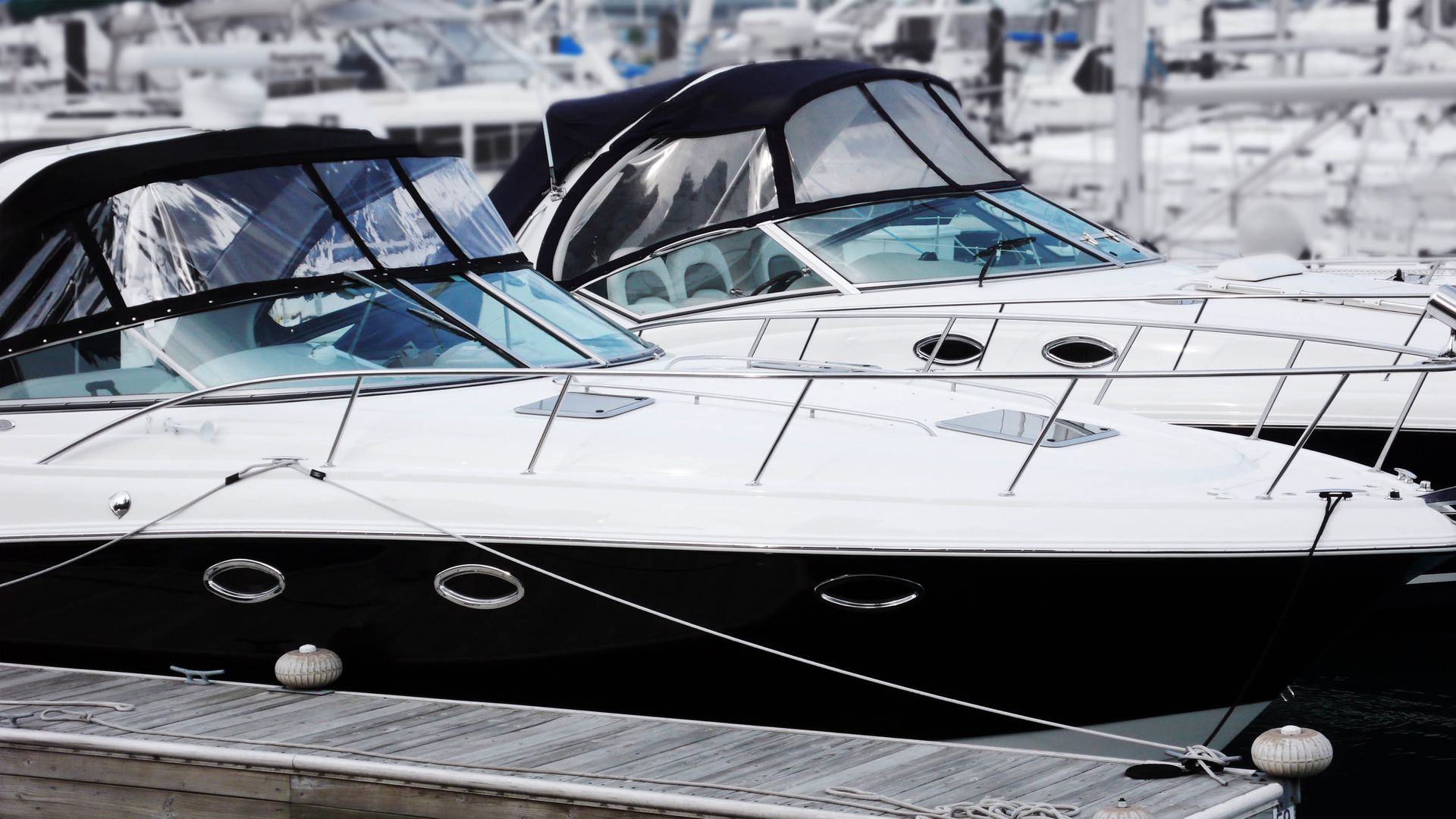
Safety and storage integration are vital aspects of thoughtful deck engineering. High-quality railing systems, non-slip surfaces, and accessible emergency storage locations protect passengers during unexpected sea conditions. Storage solutions must be integrated seamlessly into structural components to avoid cluttering operational zones. Built-in lockers, under-seat compartments, and specialized gear lockers keep equipment secure and organized. Tailoring onboard amenities elevates comfort to match personal lifestyle desires. Ergonomic seating, full-service galley facilities, and modern audio-visual systems convert open water voyages into luxurious experiences tailored precisely to your personal preferences.
Select the Ideal Power System
Choosing an appropriate propulsion system directly influences cruising speed, handling capabilities, and ongoing maintenance demands. Outboard, inboard, and hybrid configurations each provide distinct advantages depending on operational requirements. Outboard engines offer lightweight profiles, simple access for repairs, and elevated maneuverability in tight marinas. Inboard engines reside deeper within the structure, offering balanced weight distribution, higher torque, and extended operating life. Modern hybrid power systems combine traditional fuel power with electric propulsion, appealing to eco-conscious navigators seeking quieter operation and lower emissions. Evaluating these drive options ensures your custom boat delivers reliable performance for years to come.
Fuel efficiency and cruising range determine how far your vessel can explore between refueling stops. Engine efficiency improvements help maximize travel distance while controlling ongoing operational expenses. Selecting a propulsion setup mindful of environmental impact supports sustainable marine practices across delicate aquatic ecosystems. Adding solar panels or auxiliary battery banks can supplement onboard power without increasing engine load. Engine placement within the hull also dictates sound levels, cabin space, and routine service accessibility. Prioritizing routine maintenance schedules prevents unexpected mechanical issues, ensuring long-term reliability whenever you venture out onto open waters.
Integrate Cutting-Edge Technology
Modern marine electronics transform navigation accuracy and operational safety on the water. Advanced GPS units, high-definition radar systems, and digital sonar depth finders provide real-time situational awareness in challenging weather or busy waterways. Automated route planning tools assist captains in choosing optimal paths while avoiding hidden hazards beneath the surface. Digital helm displays consolidate crucial vessel metrics into user-friendly touchscreen interfaces. Equipping your vessel with reliable navigation instruments ensures confident piloting across familiar coastal routes or uncharted offshore territories.
Smart automation systems streamline onboard energy management, security, and climate control. Centralized digital controls allow captains to monitor electrical loads, manage battery health, and adjust interior temperatures from a single mobile interface. Onboard connectivity options, including satellite internet and cellular signal boosters, keep passengers connected even miles from shore. Comprehensive security features, such as remote video monitoring, geofencing alarms, and motion sensors, protect your investment while docked or moored in remote locations. Integrating modern technology merges time-honored seamanship with progressive engineering, enhancing convenience and safety on every journey.
Partner with Skilled Professionals
Collaborating with an experienced naval architect transforms initial concepts into precise structural blueprints. Architects handle complex engineering challenges, calculating hydrodynamic drag, structural loads, and stability requirements to ensure regulatory compliance. Utilizing advanced digital modeling software allows owners to visualize spatial relationships and hull lines long before construction begins. Professional guidance balances ambitious design ideas with proven engineering principles, laying a solid foundation for a safe, seaworthy vessel. Working alongside certified experts minimizes costly construction errors and guarantees that your custom boat meets high industry standards.
Master boat builders bring technical blueprints to life using skilled craftsmanship and premium materials. Clear communication between the client, designer, and builder ensures every detail aligns with original specifications. Marine engineers focus on mechanical systems, optimizing engine placement, electrical wiring, and plumbing networks for long-term reliability. Interior design specialists customize salon finishes, cabinetry, and textiles to match aesthetic preferences while selecting marine-grade materials built to withstand humid environments. Uniting these specialized talents turns a visionary concept into an exceptional custom vessel crafted to perfection.
Designing a custom vessel represents a rewarding journey that combines personal creativity, advanced marine engineering, and practical functionality. By carefully considering hull geometry, power systems, deck layouts, and smart technology, you can create a vessel perfectly suited to your lifestyle. Working alongside seasoned marine professionals ensures that every detail receives expert craftsmanship and technical precision. At West Michigan Yacht Sales, we invite you to contact us today so our experienced team can help you design your ideal custom boat.